

Last year was a whirlwind. Between the fear of getting COVID, the ever-changing regulations on how to run your business, and the holiday season on top of that, many small businesses are feeling a little in over their heads right now. Even if that's not you and you managed to weather 2021 intact (congratulations!), the new year is the perfect time to take a step back and reassess where you and your business are at. Here are six ways on how to do that!
1. Check Your Numbers
Do you know what your financial situation is? Are you sure? Or are you just throwing receipts in a pile to "figure it out later"? Now's a great time to make sure that you have your finances in order. (Especially since tax season is coming soon!)
Even if you aren't quite ready to wrestle with your accounts (not everyone likes working with numbers, we get it), now's a good time to at least make sure that you know where your pile of receipts is. Do you have receipts for every expense? Did you actually get paid? If you don't have a bookkeeper and/or an accountant, now's a good time to get one.

It's okay. We've all been there.
2. Reconnect With Your Clients
Traditionally, the holidays are a time when businesses thank their clients for sticking with them. But if you missed the holidays (and honestly, in a pandemic, who can blame you?), it's not the worst idea to reach out regardless to let them know that you're thinking of them. Alternatively, it's also not too early to plan for the next set of holidays coming right around the corner!
This can be as simple as sending them a quick check-in holiday email ("Hope you're doing well!") or as thoughtful as sending them a hand-written card and a small gift.
3. ...And Your Employees
If your clients supported your business through their purchases, your employees supported your business with their service. Take a moment to personally thank your team for all the hard work they've done this past year and let them know that they're appreciated. Employees work harder and stick around longer when they know that their hard work is being acknowledged and valued!
4. Take Stock of Where You Are and Prioritize
Be realistic. Where is your business at RIGHT NOW? Not where do you want it to be, but where is it right now? How many employees do you have? How many hours are you working? Are people happy working for you? Are YOU happy working for you? If not, what needs to change?
Don't be afraid to think back to your original reasons for starting your business. Was it to make money? Or to spend more time with your kids? Or maybe increase awareness to a social problem? None of these reasons are wrong, but be honest with yourself. Are you still in line with the goals you had when starting your business? If not, why not? Did working in your industry change your perspective? That's a valid reason to change your business! Or did you accidentally drift off-course? Figure out which is true and go from there.
5. Set Some Goals For Your Business
Set them in three tiers: doable, challenge, dream. Be practical, but do push yourself. If last year, you got three new clients, maybe this year you should set a doable goal of six new clients, a challenge goal of nine, and a dream goal of twelve!
You should also include problem solving in your goals. If you're struggling with customer communication, consider setting a goal of improving the ease of customer communication or figuring out where you went wrong.
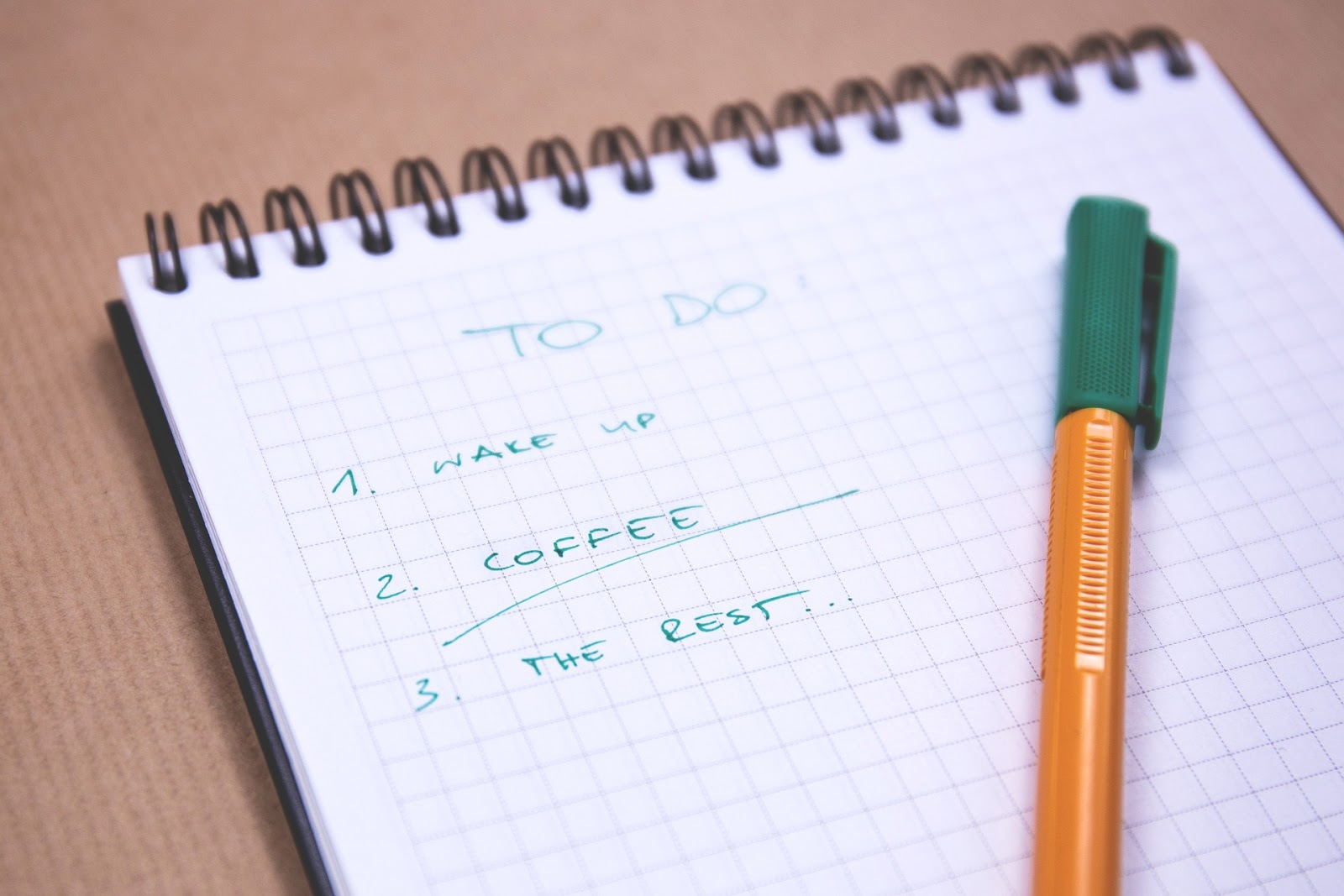
It's okay. We've all been here too.
6. Make a Plan
Making a plan is different than setting a goal. A goal is a landmark, a plan is a map. There's no point in setting goals, if you don't know how you're going to get there. For example, if your goal is to acquire six new clients this year, make a list of some ways to reach them, such as making a new social media account or perhaps setting up a booth at the local farmer's market. If your goal is to improve customer experience, consider sending out surveys at the completion of projects.
Remember, not everything needs to get tackled at once. So make a plan of what you want to accomplish first and then take the next steps.